Classic French Vinaigrette & Variations

Equipment
- A bowl and whisk is all you need
A blender also works well for larger quantities
Ingredients
- 1 tablespoon white wine or cider vinegar
- 1 teaspoon (scant) Dijon mustard
- 1 tablespoon olive walnut or hazelnut oil
- 3 tablespoons neutral salad oil sunflower works well
- 2 teaspoons boiling water
- A pinch granulated sugar optional
- Salt and finely ground black or white pepper
Instructions
- Put the vinegar in a bowl and add a pinch of salt, a pinch of sugar if using, and finely ground pepper. Beat until the salt and sugar have dissolved.
- Add the mustard and boiling water and whisk until emulsified.
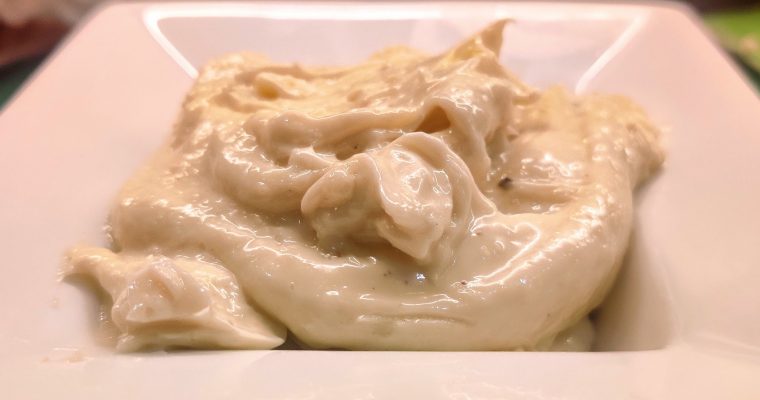
- Whisk in the tablespoon of olive, walnut or hazelnut oil, then taste. It will taste too acidic at this stage. Now gradually beat in the salad oil, tasting as you go, until the balance is right. Remember to make the dressing slightly sharper than desired — the leaves will neutralise some of that acidity when tossed.
- Dress the salad leaves just before serving.
Notes
Italian Salad Dressing
Particularly good with leaves that have more flavour — oak leaf, frisée, radicchio.
INGREDIENTS
- 1 tablespoon red wine vinegar
- Fresh garlic, to taste — half a clove is usually plenty
- 3 tablespoons olive oil
- 2 teaspoons water
- Salt and finely ground black or white pepper
Instructions
-
Finely chop the garlic, sprinkle with a pinch of sea salt, then crush it to a smooth paste against the chopping board with the flat of a large knife.
-
Place the garlic paste in a bowl and beat with the water, red wine vinegar and a few grindings of pepper. Beat in the oil gradually, tasting before you add the final tablespoon.
-
Dress the salad leaves just before serving.
Strawberry & Fresh Berry Dressing
Light, fragrant and celebratory. Perfect with thinly sliced avocado and watercress, finished with chopped walnuts or hazelnuts.
INGREDIENTS
- 1 tablespoon lemon juice
- 1 tablespoon walnut or hazelnut oil
- 3 tablespoons neutral salad oil
- A generous handful of fresh berries, blended and strained to remove seeds
- A pinch of granulated sugar
- Salt and finely ground black or white pepper
Instructions
- Put the lemon juice in a bowl and add a pinch of salt, sugar and finely ground pepper. Beat until the salt and sugar have dissolved.
- Beat in the strained berry purée, then the walnut or hazelnut oil and one tablespoon of salad oil. Taste.
- Gradually beat in enough of the remaining oil until the balance is right — the berry flavour should be present but not overwhelming, with the acidity of the lemon coming through cleanly.
- Serve with thinly sliced avocado and watercress. Finish with chopped walnuts or hazelnuts.
't Hofke Salad Dressing — Oil Free
Inspired by a salad dressing served at 't Hofke — a charming bistro hidden in the oldest alley of Antwerp, near the Cathedral, where my husband and I had a memorable evening. The waiter was somewhat surprised when I started precisely dissecting the ingredients. The dressing was too good not to understand.
INGREDIENTS
- 1 tablespoon raspberry vinegar
- 2 tablespoons runny honey
- 3 tablespoons natural yoghurt
- 2 teaspoons water
- Salt and finely ground black or white pepper
Instructions
- Put the raspberry vinegar in a bowl, add a pinch of salt and finely ground pepper, and beat until the salt has dissolved.
- Beat in the water and honey until completely combined, then beat in the yoghurt. Taste and adjust with a little more vinegar or honey as needed — the balance between sweet and sharp is everything here.
-
Dress the salad leaves just before serving.
A Note on dressing Tomatoes
Tomatoes require no additional acid — just oil to dress them. If you are adding tomatoes to a salad, use a little extra oil in your dressing, as the natural acidity of the tomatoes will sharpen the overall flavour.
These dressings are taught at Loire Kitchen as part of our culinary holidays in the southern Loire Valley. For the teaching story behind this recipe — including why boiling water belongs in a vinaigrette — read Emulsions — The Balance Point in the LK Journal.
Find out more about our small-group cooking programmes here.